

Eating well is important for everyone, but particularly important for those people whose digestive system efficacy is currently or has been compromised, for example by excess alcohol consumption.
Why Thiamine Matters:
Thiamine is involved in several metabolic processes within the body, including the conversion of carbohydrates into energy. This makes it indispensable for providing the body with the fuel it needs to function efficiently. Additionally, thiamine is essential for the proper functioning of the nervous system, helping to support cognitive function and maintain a healthy nervous system.
A deficiency in thiamine can lead to a range of health problems, including fatigue, weakness, muscle cramps, and even neurological disorders such as beriberi and Wernicke-Korsakoff syndrome. Therefore, ensuring an adequate intake of thiamine is essential for overall health and well-being.
How to Include More Thiamine in Your Diet:
Fortunately, incorporating thiamine-rich foods into your daily meals is simple and delicious. Here are some excellent sources of thiamine to include in your balanced diet:
- Whole Grains: Whole grains such as brown rice, quinoa, barley, and whole wheat are excellent sources of thiamine. Start your day with a hearty bowl of oat granola or porridge or swap out refined grains for whole grain alternatives in your meals.
- Beans and pulses: Beans, lentils, and peas are rich in thiamine and make nutritious additions to soups, salads, and stews. Try incorporating thiamine-rich beans and pulses into your meals several times a week for a boost of thiamine and other essential nutrients.
- Nuts and Seeds: Almonds, sunflower seeds, and flaxseeds are all excellent sources of thiamine. Snack on a handful of nuts or seeds between meals or sprinkle them over salads and yogurt for added crunch and nutrition.
- Lean Meats and Fish: Lean meats such as pork, beef, and poultry, as well as fish such as salmon and trout, are good sources of thiamine. Include a variety of protein sources in your diet to ensure you’re getting an ample supply of this essential vitamin.
- Fortified Foods: Some foods, such as breakfast cereals and nutritional yeast, are fortified with thiamine to enhance their nutritional value. Check food labels to identify fortified products and incorporate them into your meals as needed.
Wernicke-Korsakoff’s Syndrome is caused primarily by a lack of thiamine – Vitamin B1 – often as a result of self-neglect and poor dietary choices. Thiamine is an essential and very beneficial vitamin for our health. It is required to metabolise sugars for energy, which our cells can use to perform a wide array of biological functions. Thiamine is a colourless crystalline solid substance which can easily dissolve in water. It is part of a group of B vitamins, all of which are soluble in water.
Because of its solubility in water, thiamine is difficult to store in human body. Whenever there is an excess of thiamine in our body, it is flushed out of the system via urine. It is therefore necessary to maintain a continuous supply of thiamine for our body daily. Foods rich in thiamine or vitamin supplements can help fulfil this requirement.
List of Foods Rich in Thiamine
- Yeast
- Yeast extract
- Pork
- Dried milk
- Eggs
- Enriched flour
- Lean meats
- Beans
- Nuts
- Peas
- Oatmeal
- Brown rice
- Sunflower seeds
- Potatoes
- Oranges
- Asparagus
- Bananas
Yeast and pork contain larger concentrations of thiamine as compared to other sources of thiamine.
Thiamine is added to white flour in the UK and has been since WW2.
For guidance on maintaining a healthy diet, have a look at these links. Please note, we are not linked to these organisations and take no responsibility for the content.
All about thiamine from the people at Seven Seas vitamins: https://www.seven-seas.com/en_GB/articles/all-you-need-to-know-about-thiamin-vitamin-b1.html
The Eatwell Guide from the NHS: https://www.nhs.uk/live-well/eat-well/the-eatwell-guide/
Electrolytes are also important – a BBC Good Food guide to minerals here: https://www.bbcgoodfood.com/howto/guide/vital-minerals
Also see the Government recommendations for energy and nutrients for males and females aged 1–18 years and 19+ years: https://assets.publishing.service.gov.uk/government/uploads/system/uploads/attachment_data/file/618167/government_dietary_recommendations.pdf
Thiamine is a vital nutrient that plays a crucial role in supporting overall health and well-being. By including thiamine-rich foods in your balanced diet, you can ensure that your body receives an adequate supply of this essential vitamin. Whether you’re enjoying a hearty bowl of oatmeal for breakfast or savouring a nutritious salad packed with beans and nuts, making thiamine a priority in your diet is a simple yet impactful way to support your health for years to come.


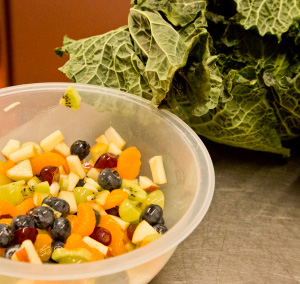
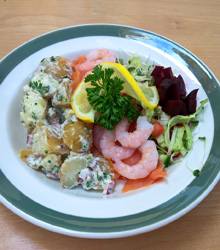


Here at the Upstreet Project, people are supported through Client Development sessions to learn more about diet and nutrition and are expected to start to take more responsibility for their own health and wellness.
Many of the people we support are encouraged, coached, enabled and supported to prepare their own meals from scratch. Everyone is encouraged to take part in meal preparation, even if he or she is not currently fully responsible for his or her own nutrition.
Our cook and kitchen assistant make a delicious variety of meals from scratch each week and cater for a wide range of dietary special needs and requirements as well as religious, ethnic and lifestyle preferences. We use a local butcher and local greengrocer and buy all our meat and vegetables in fresh every week.
To find out more about how we support people with ARBD to regain responsibility for their lives and rebuild healthier habits, click here.
 The Upstreet Project